WANT TO SAVE THIS RECIPE?
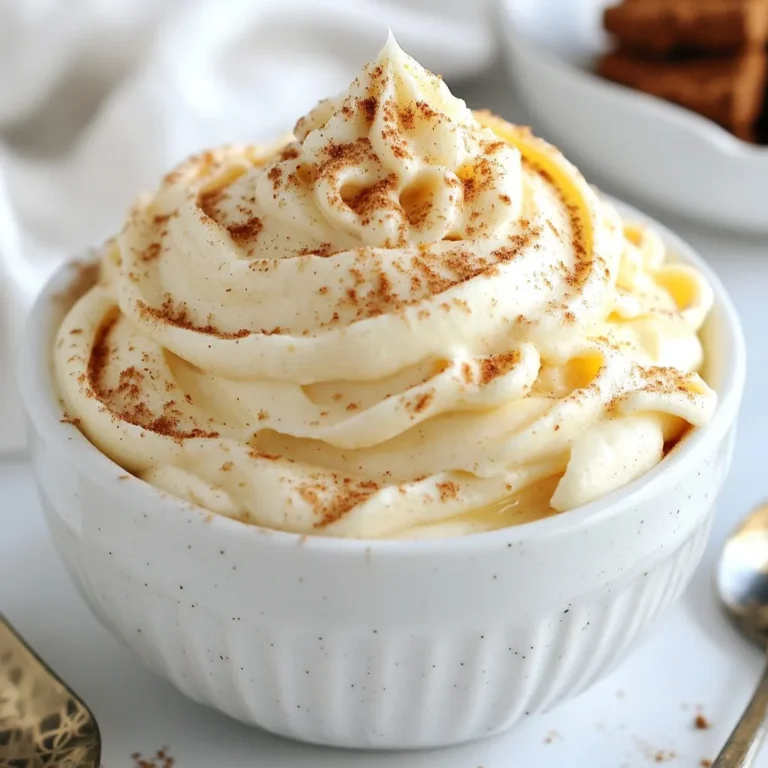
Are you ready to elevate your holiday treats? Gingerbread buttercream frosting is a game-changer. With rich spices and a creamy texture, it will make your cookies and cakes shine. In this guide, I’ll share simple steps and tips to create this festive delight. You’ll impress friends and family with your baking skills. Let’s dive into the world of gingerbread goodness and make your holidays extra sweet!
Why I Love This Recipe
- Festive Flavor: This frosting captures the essence of the holiday season with warm spices and rich molasses.
- Versatile Use: Perfect for cakes, cupcakes, and cookies, making it an ideal choice for any festive dessert.
- Easy to Make: With just a few simple ingredients and steps, you can whip up this delicious frosting in no time.
- Customizable Texture: Adjust the consistency to your liking with heavy cream or milk, ensuring it spreads beautifully.
Ingredients
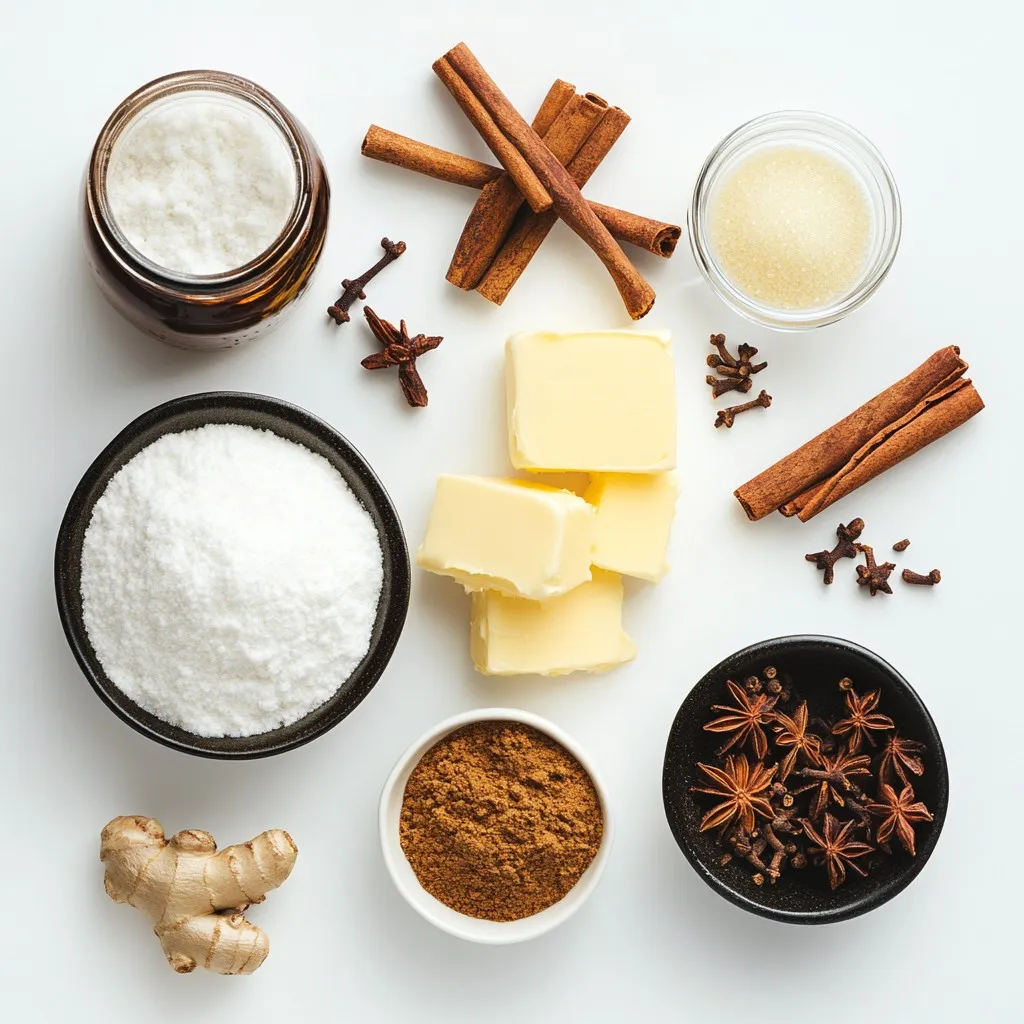
To make Gingerbread Buttercream Frosting, you need a few key ingredients. Each one adds to the warm, spiced flavor that makes this frosting special. Here’s what you will need:
– 1 cup unsalted butter, softened to room temperature
– 4 cups powdered sugar, sifted
– 1/2 cup molasses, preferably unsulfured
– 1 teaspoon ground ginger
– 1 teaspoon ground cinnamon
– 1/2 teaspoon ground nutmeg
– 1/4 teaspoon ground allspice
– 1/2 teaspoon pure vanilla extract
– 2-3 tablespoons heavy cream or milk
– Pinch of fine sea salt
Using unsalted butter helps control the salt content. Sift the powdered sugar to avoid lumps. Molasses gives the frosting its dark color and rich taste. The ground spices add warmth and depth. Vanilla extract brightens the flavor. Heavy cream or milk makes the frosting smooth and spreadable. A pinch of sea salt balances the sweetness.
These ingredients come together to create a delightful frosting that can top cakes, cookies, or cupcakes. The blend of spices makes it a festive treat, perfect for the holidays or any special event.

Step-by-Step Instructions
Preparation of Butter
First, take 1 cup of unsalted butter. Make sure it’s at room temperature. This helps it mix well. In a large bowl, beat the butter with an electric mixer. Set it to medium speed. Mix for about 2 minutes. The butter should look creamy and smooth. This step adds air, making it light.
Mixing in Powdered Sugar
Next, add the powdered sugar. Use 4 cups, but do it slowly. Add about 1 cup at a time. After each cup, beat the mixture well. You want it to blend fully. The frosting should look light and fluffy now.
Adding Molasses and Spices
Now it’s time for flavor! Pour in 1/2 cup of molasses. Keep mixing until it’s smooth. Then, add the spices: 1 teaspoon of ground ginger, 1 teaspoon of ground cinnamon, 1/2 teaspoon of ground nutmeg, and 1/4 teaspoon of ground allspice. Don’t forget 1/2 teaspoon of pure vanilla extract and a pinch of sea salt. Mix on low speed until everything blends well.
Adjusting Consistency with Cream or Milk
If your frosting feels too thick, don’t worry! Grab 2-3 tablespoons of heavy cream or milk. Add it one tablespoon at a time. Mix after each addition. Keep adding until you reach a nice spreadable texture.
Final Mixing for Texture
Finally, set your mixer to high speed. Beat the frosting for 1-2 minutes more. This makes it light and airy. Now your gingerbread buttercream frosting is ready! You can use it right away to frost cakes, cookies, or cupcakes. Enjoy your sweet creation!
Tips & Tricks
Best Practices for Frosting Texture
To get the best texture in your gingerbread buttercream, start with soft butter. It should be at room temperature. Beat the butter until it is creamy and smooth. This step helps create air in the frosting, making it light. Gradually add the powdered sugar and mix well. This keeps the frosting fluffy and prevents lumps.
Ideal Consistency for Spreading
A smooth frosting should hold its shape but be easy to spread. If it’s too thick, add heavy cream or milk slowly. Mix well after each addition. Aim for a consistency that is spreadable but not runny. It should glide easily over your cake or cookies.
Flavor Enhancements to Consider
You can boost the flavor of your frosting with a few simple tweaks. Try adding a pinch of ground cloves for warmth. A splash of orange juice can give a fresh twist. For a spicier kick, increase the ginger or cinnamon slightly. Each of these ideas adds a unique touch to your gingerbread buttercream.
Pro Tips
- Use Room Temperature Butter: Ensure your butter is at room temperature for optimal creaming. This will help achieve a light and fluffy frosting.
- Fresh Spices Make a Difference: Using freshly ground spices can enhance the flavor of your frosting significantly. Consider grinding your own spices for a more aromatic result.
- Adjust Consistency Wisely: If your frosting is too thick, add liquid gradually. Too much at once can make it runny, so go slow for the perfect spread.
- Storage Tips: Store any leftover frosting in an airtight container in the fridge. Make sure to bring it back to room temperature and rewhip before using.
Variations
Chocolate Gingerbread Buttercream
You can add a twist to gingerbread buttercream by making it chocolate. Start with the basic recipe. Add 1/2 cup of cocoa powder when mixing in the powdered sugar. This creates a rich, chocolate flavor that pairs well with the spices. The chocolate adds depth and richness. It’s perfect for cakes or cupcakes that need a festive touch.
Vegan Gingerbread Buttercream
To make vegan gingerbread buttercream, swap the unsalted butter for vegan butter. Use a dairy-free milk like almond or oat milk instead of heavy cream. The rest of the ingredients stay the same. This version is creamy and delicious without any animal products. It’s a great option for those who want to enjoy festive treats while following a plant-based diet.
Spiced Gingerbread Alternative Recipes
You can explore spiced gingerbread alternatives too! Try adding a splash of orange zest for a citrus twist. Or, mix in some pumpkin spice for a seasonal flavor that brightens the frosting. You can also use different types of sugar, like brown sugar, for a richer taste. These variations keep the gingerbread flavor while adding fun new elements.
Storage Info
Refrigeration Instructions
To keep gingerbread buttercream frosting fresh, store it in an airtight container. Place it in your fridge right after you finish decorating. The cool air helps maintain its flavor and texture. Always ensure the lid is on tightly to avoid mixing flavors with other foods.
How to Rewhip Leftover Frosting
If your frosting is a bit stiff after being in the fridge, don’t worry! Just take it out and let it sit at room temperature for about 10 minutes. Then, use an electric mixer to rewhip it. Start on low speed and gradually increase it. This brings back its fluffy texture and makes it easy to spread.
Shelf Life of Frosting
Gingerbread buttercream frosting stays good in the fridge for up to one week. After that, it may lose its flavor and texture. If you freeze it, it can last for about three months. When you’re ready to use it, thaw it in the fridge overnight, then rewhip as mentioned above. Always check for any off smells or changes in texture before using.
FAQs
Can I use brown sugar instead of powdered sugar?
No, you cannot use brown sugar instead of powdered sugar. Brown sugar has a different texture and moisture level. It will not create the same light and fluffy frosting. Stick with powdered sugar for the best results.
What desserts pair well with gingerbread buttercream frosting?
Gingerbread buttercream frosting works great on many desserts. Here are some tasty options:
– Gingerbread cookies
– Pumpkin spice cupcakes
– Chocolate cake
– Snickerdoodle cookies
– Vanilla bean cupcakes
These choices balance the warm spices in the frosting nicely.
How can I make the frosting less sweet?
To reduce the sweetness, you can add more spices. Try mixing in extra ground ginger or cinnamon. You can also use less powdered sugar. Another option is to add a pinch of salt. It helps tone down the sweetness.
Is there a way to make this frosting dairy-free?
Yes! You can make this frosting dairy-free. Use vegan butter instead of regular butter. Substitute heavy cream with almond milk or coconut cream. Both options work well and still taste great.
What can I do if the frosting is too thin?
If your frosting is too thin, add more powdered sugar. Start with a half cup and mix well. If it remains thin, keep adding sugar until it thickens. This will help you achieve the perfect spreadable consistency.
You learned how to make gingerbread buttercream frosting using simple ingredients and steps. Remember to mix well and adjust the texture as needed. Consider the tips for the best flavor and consistency. Explore different variations to match your needs. Store any leftovers properly for later use. This frosting can enhance many desserts, making them festive. Enjoy making this delicious treat and impress your friends and famil
Gingerbread Buttercream Frosting
A festive and creamy frosting perfect for cakes, cupcakes, and cookies, infused with warm spices and molasses.
Prep Time 10 minutes mins
Total Time 10 minutes mins
Course Dessert
Cuisine American
Servings 12
Calories 150 kcal
- 1 cup unsalted butter, softened to room temperature
- 4 cups powdered sugar, sifted
- 0.5 cup molasses, preferably unsulfured
- 1 teaspoon ground ginger
- 1 teaspoon ground cinnamon
- 0.5 teaspoon ground nutmeg
- 0.25 teaspoon ground allspice
- 0.5 teaspoon pure vanilla extract
- 2 tablespoons heavy cream (or milk for a lighter texture)
- 1 pinch fine sea salt
In a spacious mixing bowl, use an electric mixer on medium speed to beat the softened butter until it becomes creamy and smooth, which should take about 2 minutes. This step is crucial as it aerates the butter.
Gradually add the sifted powdered sugar to the bowl, about one cup at a time, ensuring to beat well after each addition until the sugar is fully incorporated and the mixture appears light and fluffy.
Next, pour in the molasses, continuing to beat the mixture until it is completely smooth and has a delightful, fluffy texture.
Add the ground ginger, ground cinnamon, ground nutmeg, ground allspice, vanilla extract, and a pinch of salt to the bowl. Mix on low speed until all the spices are thoroughly blended into the frosting.
If the frosting feels overly thick, add heavy cream or milk a tablespoon at a time, mixing well after each addition, until you achieve your desired spreadable consistency.
Increase the mixer speed to high and beat the frosting for an additional 1-2 minutes until it is light, airy, and perfectly fluffy.
Use the frosting immediately to decorate cakes, cupcakes, or cookies. Alternatively, store any leftovers in an airtight container in the refrigerator for up to one week, allowing it to come to room temperature and rewhipping if necessary before use.
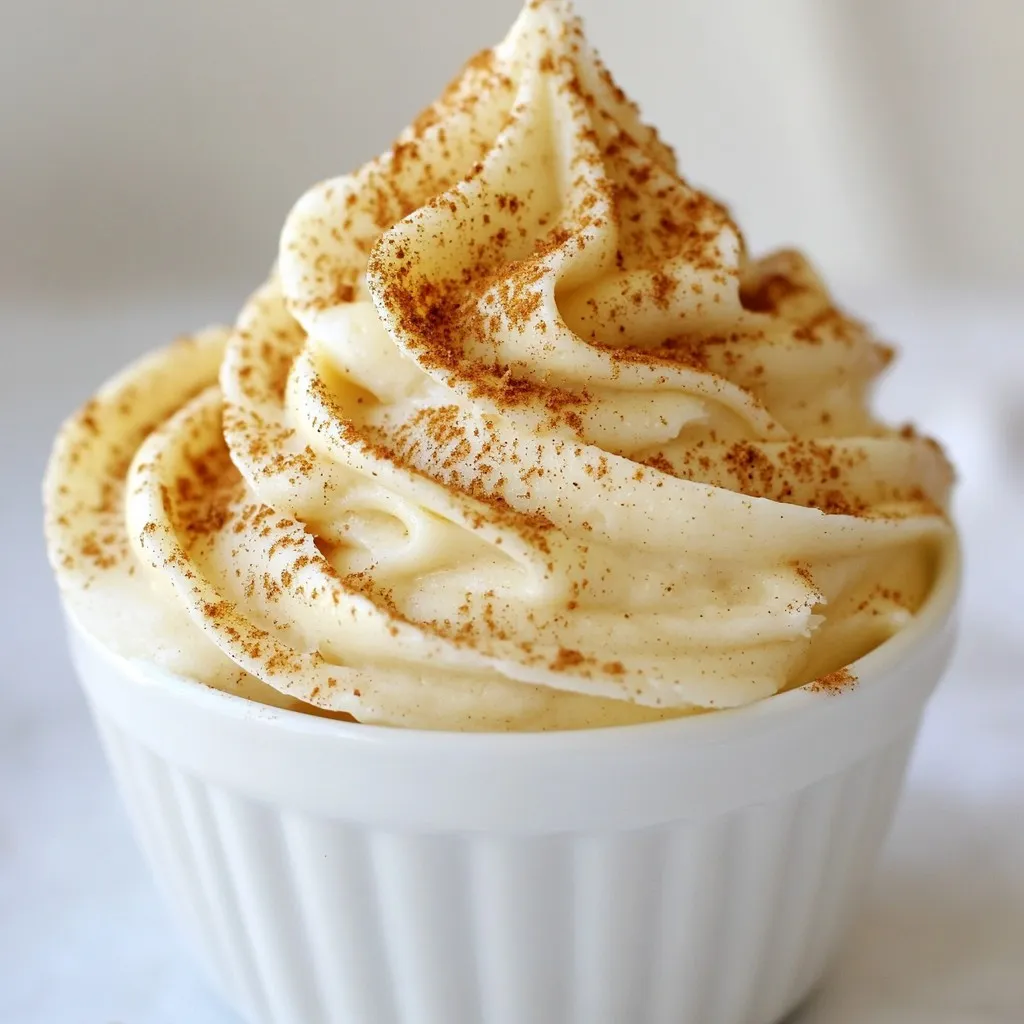
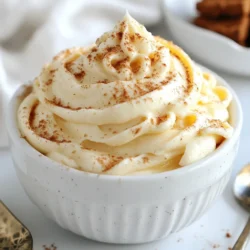
For an exquisite finish, pipe the frosting onto cupcakes using a star tip. To elevate the visual appeal, sprinkle with a dusting of cinnamon or gingerbread crumbs.
Keyword buttercream, frosting, gingerbread
WANT TO SAVE THIS RECIPE?