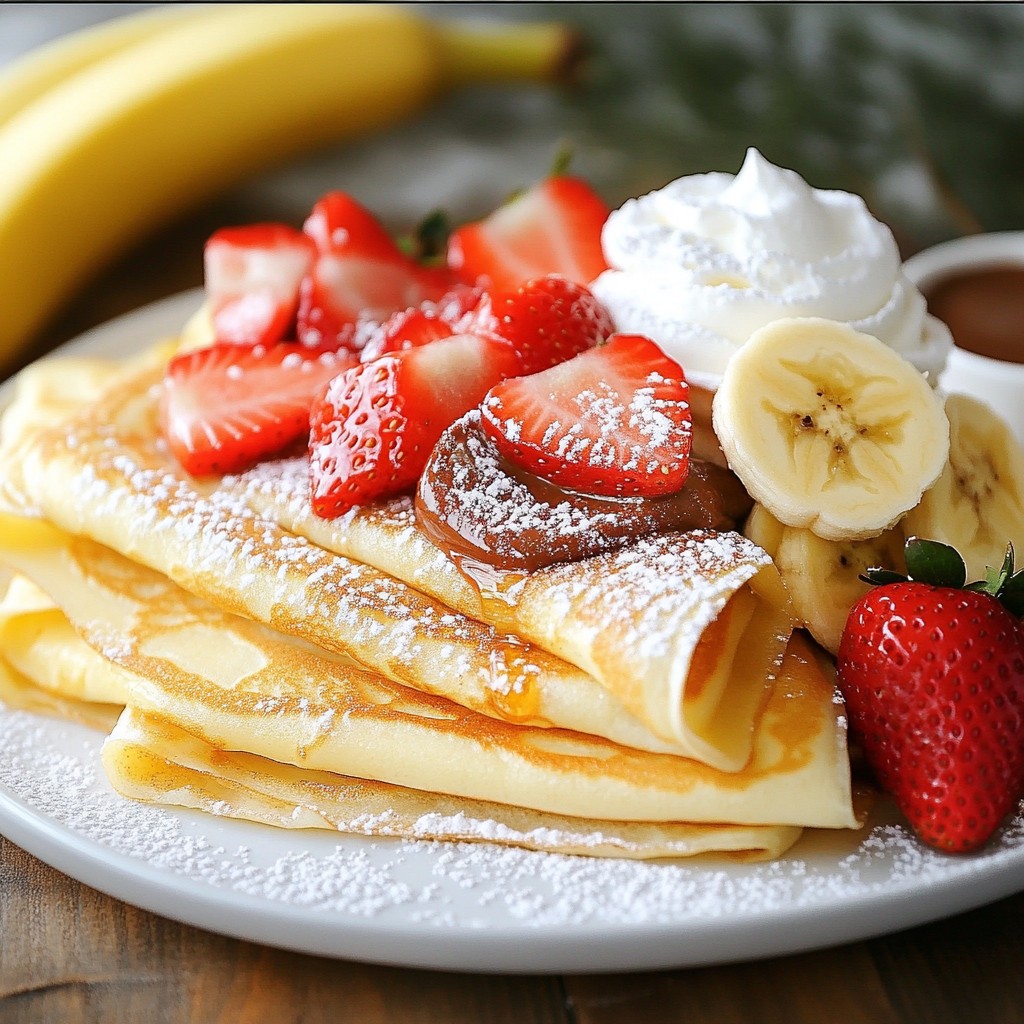
Craving a taste of France? With my simple and delicious recipe for classic French crepes, you can whip up this delightful dish in no time. Whether you want sweet or savory, I’ll guide you every step of the way. Join me as we explore the easy ingredients, perfect techniques, and tips for making crepes just like a pro. Let’s transform your kitchen into a French café with this tasty treat!
Why I Love This Recipe
- Versatile Filling Options: These crepes can be filled with a variety of delicious fillings, allowing everyone to customize their own perfect treat.
- Easy to Make: The recipe is straightforward and requires minimal ingredients, making it accessible for cooks of all skill levels.
- Perfect for Any Occasion: Whether it's breakfast, dessert, or a special brunch, these crepes fit seamlessly into any meal.
- Impressive Presentation: With a little creativity, these crepes can be beautifully plated, making them a stunning addition to your table.
Ingredients
List of Ingredients for Classic French Crepes
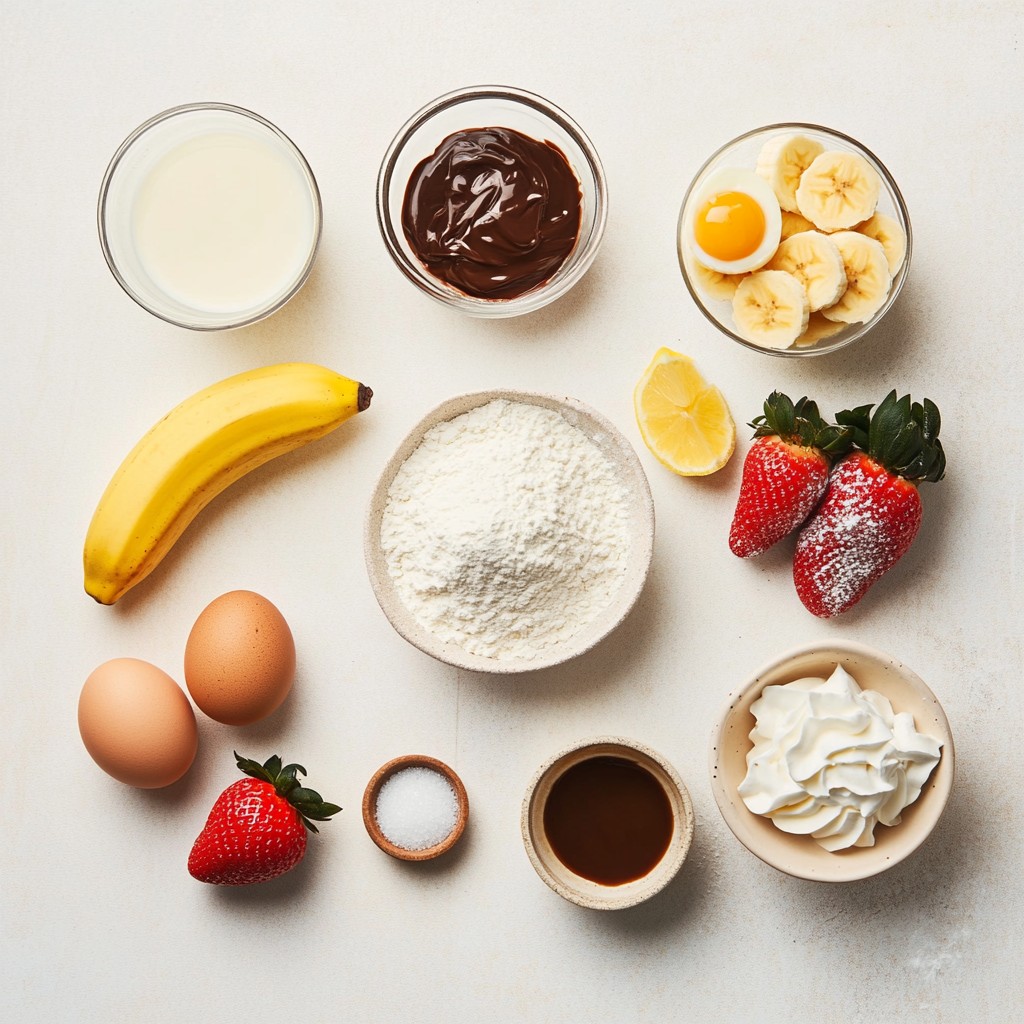
To make classic French crepes, you will need:
- 1 cup all-purpose flour
- 2 large eggs
- 1 1/2 cups milk
- 2 tablespoons melted butter (plus more for cooking)
- 1 tablespoon sugar (optional)
- 1/4 teaspoon salt
Optional Ingredients for Sweet Crepes
For sweet crepes, you might like to add:
- 1 tablespoon sugar to the batter
- Vanilla extract for flavor
These additions make the crepes sweet and tasty.
Recommended Toppings and Fillings
You can fill and top your crepes with many delicious options:
- Nutella
- Fresh fruits like strawberries and bananas
- Whipped cream
- A sprinkle of lemon juice and sugar
Choose your favorites to create a fun and tasty treat!
Step-by-Step Instructions
Preparing the Crepe Batter
Start by mixing the dry ingredients. In a large bowl, combine 1 cup of all-purpose flour and 1/4 teaspoon of salt. If you want sweet crepes, add 1 tablespoon of sugar now. Next, take a separate bowl and beat 2 large eggs until they are frothy. Add 1 1/2 cups of milk and 2 tablespoons of melted butter to the eggs and mix well. Gradually pour this egg mixture into the flour bowl. Whisk until the batter is smooth and without lumps. Cover the batter and let it rest for at least 30 minutes at room temperature. This step helps your crepes become tender and fluffy.
Cook the Crepes on the Pan
Set a non-stick skillet or crepe pan over medium heat. Brush the surface lightly with melted butter to prevent sticking. Once the pan is hot, pour about 1/4 cup of batter into the center. Quickly tilt and swirl the pan to spread the batter into a thin layer. Cook the crepe for 1 to 2 minutes. Watch for the edges to lift and the surface to firm up.
Flipping and Serving the Crepes
Now it’s time to flip! Use a spatula or, if you’re feeling bold, toss it in the air. Cook for another minute until the second side turns light golden. Transfer the cooked crepe to a warm plate. Repeat this process with the remaining batter, adding more butter to the pan as needed. When ready to serve, choose your favorite filling. Spread it across one half of the crepe and fold it over. You can sprinkle powdered sugar on top for extra sweetness. Arrange the filled crepes on a platter to impress your guests. Enjoy!
Tips & Tricks
Achieving the Perfect Crepe Texture
To make crepes that are thin and tender, you need a smooth batter. Start with a good mix of flour and eggs. Whisk the batter well to avoid lumps. Let it rest for at least 30 minutes. This allows the flour to absorb moisture. It also helps create a soft texture.
When you cook the crepes, use a hot, non-stick pan. Brush it lightly with melted butter. Pour just enough batter to cover the bottom. Swirl the pan quickly to spread it evenly. This keeps your crepes thin.
Common Mistakes to Avoid
One common mistake is not resting the batter. Skipping this step leads to thick crepes. Another mistake is using too much batter. If you pour too much, the crepe won't cook evenly.
Also, don't flip too soon. Wait until the edges lift and the surface looks set. Lastly, remember to keep your pan hot. If it's too cool, your crepes may stick.
Recommended Tools for Making Crepes
For making crepes, a non-stick pan is key. A crepe pan works best, but a regular skillet can do. A spatula is great for flipping, while a whisk helps mix the batter. A ladle can help pour the batter easily.
You may also want a mixing bowl and measuring cups. A sifter can help with the flour if you want. Finally, keep a small dish of melted butter nearby for cooking.
Pro Tips
- Use Room Temperature Ingredients: Ensure your eggs and milk are at room temperature before mixing. This helps create a smoother batter and results in more tender crepes.
- Rest the Batter: Allowing the batter to rest for at least 30 minutes helps the gluten relax, giving you softer crepes that are less likely to tear during cooking.
- Control the Heat: Cooking on medium heat is key. If the pan is too hot, the crepes will cook too quickly and may burn. Adjust the heat as necessary while cooking.
- Experiment with Fillings: Don't limit yourself to traditional fillings! Try savory options like ham and cheese or sautéed mushrooms for a delightful twist on classic crepes.
Variations
Sweet Crepes: Popular Fillings and Additions
Sweet crepes are a delightful treat. You can fill them with many tasty ingredients. Here are some popular options:
- Nutella
- Fresh fruits like strawberries and bananas
- Whipped cream
- A sprinkle of lemon juice and sugar
For a classic sweet crepe, spread Nutella evenly. Then, top with sliced strawberries or bananas. This mix of flavors is sure to please. You can also fold the crepe and dust it with powdered sugar for a pretty finish.
Savory Crepes: Ideas for Gourmet Options
Savory crepes offer a world of flavors. They can become a meal all on their own. Here are some ideas for fillings:
- Spinach and feta cheese
- Mushrooms and cream
- Ham and cheese
- Eggs and herbs
To make a savory crepe, add cooked spinach and feta. This mix creates a tasty combo. Another option is to fill the crepe with ham and cheese. You can even add a fried egg on top for extra richness.
Gluten-Free and Dairy-Free Alternatives
If you need gluten-free or dairy-free options, you can still enjoy crepes. For gluten-free crepes, use:
- Almond flour
- Oat flour
- Rice flour
You can also make dairy-free crepes. Simply replace milk with almond milk or coconut milk. Use a dairy-free butter substitute for cooking. These options make it easy to enjoy crepes without missing out.
Storage Info
How to Store Leftover Crepes
To store leftover crepes, stack them neatly. Place parchment paper between each crepe. This helps keep them from sticking. Then, wrap the stack in plastic wrap or foil. Store them in the fridge for up to three days. For best results, use them fresh.
Reheating Techniques for Best Results
When reheating crepes, use a skillet over low heat. This warms them evenly and keeps them soft. You can also use a microwave. Place a damp paper towel over the crepe and heat for about 15-20 seconds. This adds moisture and prevents drying out.
Freezing Crepes for Later Use
To freeze crepes, let them cool completely. Stack them with parchment paper in between. Wrap the stack tightly in plastic wrap, then place it in a freezer bag. You can freeze them for up to two months. When ready to use, thaw them in the fridge overnight or at room temperature.
FAQs
What is the best flour for making crepes?
The best flour for crepes is all-purpose flour. It gives a soft and tender texture. You can also use whole wheat flour for a nutty flavor. Just remember, whole wheat may make crepes a bit more dense.
Can I make crepe batter in advance?
Yes, you can make crepe batter ahead of time. Store it in the fridge for up to two days. Just remember to whisk it again before using. This helps blend any ingredients that may have settled.
How do I keep crepes from sticking to the pan?
To prevent sticking, use a non-stick pan or a well-seasoned crepe pan. Always brush the pan with melted butter before pouring in the batter. You can also use a little oil for extra insurance. Make sure the pan is hot enough before adding the batter.
In this post, we explored making classic French crepes. We covered essential ingredients, with options for sweet variations and tasty toppings. You learned step-by-step instructions to create the perfect crepe and tips for texture and tools. We also shared exciting variations and storage methods.
Now you’re ready to impress with your crepe skills. Dive in and enjoy the tasty results!