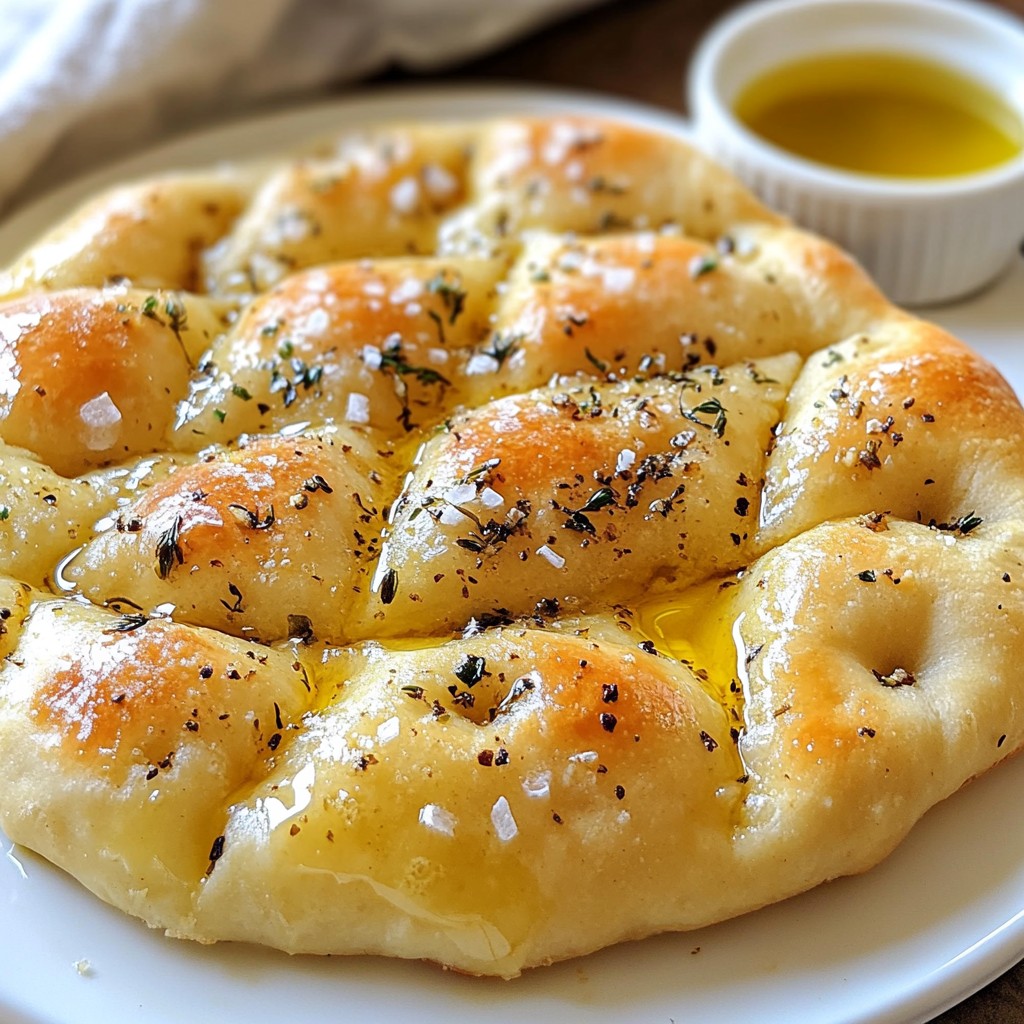
Welcome to my kitchen! Today, we're diving into a flavorful adventure with my Garlic Herb Focaccia Bread. This easy recipe will have your home smelling divine and your taste buds dancing. With simple ingredients and straightforward steps, even beginner bakers can create this delicious treat. Whether you're a busy parent or a novice chef, I guarantee you'll impress everyone at the table. Ready to bake? Let's get started!
Why I Love This Recipe
- Delicious Flavor: This focaccia is infused with aromatic garlic and herbs, making each bite a flavorful experience.
- Easy to Make: With simple ingredients and straightforward steps, even novice bakers can enjoy success.
- Versatile Use: Perfect as an appetizer, side dish, or even a sandwich base, this bread fits any meal.
- Impressive Presentation: The golden-brown crust and tempting aroma make it a showstopper at gatherings.
Ingredients
Key ingredients for Garlic Herb Focaccia Bread
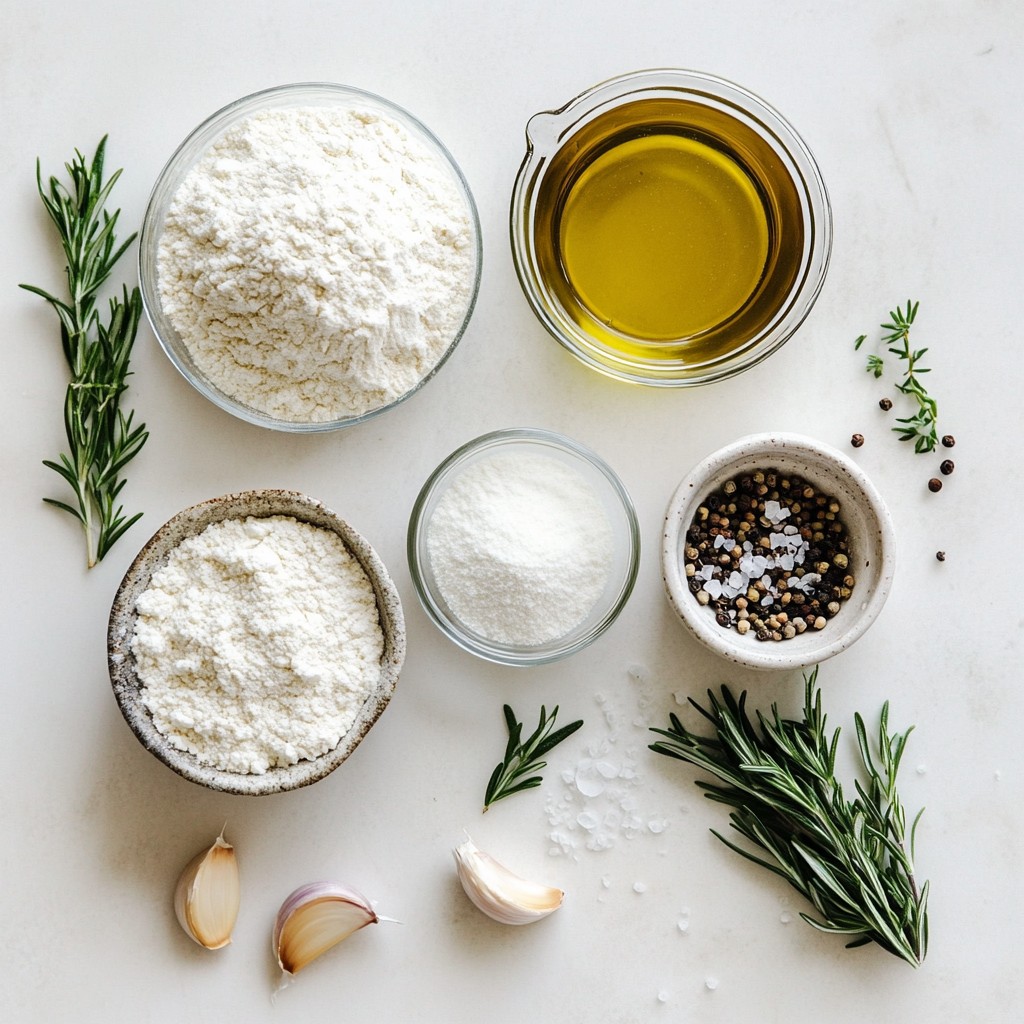
To make Garlic Herb Focaccia Bread, you need these key ingredients:
- 4 cups all-purpose flour
- 2 teaspoons instant yeast
- 1 teaspoon granulated sugar
- 1 teaspoon salt
- 1 ½ cups warm water (about 110°F or 43°C)
- ½ cup extra virgin olive oil, divided
- 6 cloves garlic, finely minced
- 2 teaspoons dried oregano
- 2 teaspoons dried rosemary
- 1 teaspoon coarse sea salt (for topping)
- Freshly cracked black pepper, to taste
- Optional: Fresh rosemary sprigs for garnish
These ingredients work together to create a soft, flavorful bread with a lovely garlic aroma.
Quality tips for choosing flour and herbs
When picking flour, use high-quality all-purpose flour. Look for brands that have a high protein content. This helps create a chewy texture. For herbs, fresh is best, but dried herbs work great too. Check the expiration date on dried herbs to ensure freshness.
Substitutions for dietary needs (gluten-free options, etc.)
If you need a gluten-free option, swap all-purpose flour for a gluten-free blend. Make sure it has a good binding agent like xanthan gum. For those avoiding yeast, you can use baking powder instead. This will change the texture, but it will still taste great!
Step-by-Step Instructions
Preparing the yeast mixture
Start by mixing warm water, sugar, and yeast in a large bowl. Let it sit for about 5 minutes. You should see bubbles form on top. This shows the yeast is alive and ready to work.
Forming and kneading the dough
Next, add flour and salt to the yeast mixture. Stir with a wooden spoon until a shaggy dough forms. Now, add ¼ cup of olive oil to the dough. Mix until the oil blends in. The dough should feel sticky but easy to handle.
Knead the dough right in the bowl for about 5 minutes. It should feel smooth and elastic. If you have a stand mixer, use it for 2-3 minutes with a dough hook.
The rising process explained
Grease a large bowl with 1 tablespoon of olive oil. Transfer the dough to this bowl. Turn the dough to coat it in oil. Cover the bowl with a damp cloth or plastic wrap. Place it in a warm area for about 1 hour. The dough should double in size.
Shaping and preparing for baking
After it rises, gently punch the dough to release air. Move it to a greased baking sheet. Use your fingertips to stretch the dough into a rectangle, about 1 inch thick. Cover it again and let it rise for another 20 to 30 minutes.
Baking and achieving the perfect texture
While the dough rises, preheat your oven to 425°F (220°C). In a small bowl, mix minced garlic, oregano, and rosemary with the remaining olive oil. Once the dough has risen, use your fingers to make dimples all over the surface. Drizzle the garlic herb oil over the dough, filling the dimples.
Sprinkle coarse sea salt and black pepper on top. Bake the focaccia for 20-25 minutes until it turns golden brown. Let it cool on a wire rack before slicing. Enjoy!
Tips & Tricks
Common mistakes to avoid when making focaccia
When making focaccia, avoid using cold water. Always use warm water to activate the yeast. If the dough doesn’t rise, check your yeast. It should be fresh and bubbly. Don't skip the second rise. It helps the dough become fluffy. Use too much flour can lead to a dense bread. Always measure flour correctly for the best results.
How to achieve the ideal dimple effect
To get those perfect dimples, use your fingertips. Press gently into the dough after the second rise. Don’t poke too hard; the dough should still be soft. Make sure to spread the dimpled surface evenly. This allows the garlic herb oil to seep in well. The dimples make the focaccia look great and hold the flavors.
Enhancing flavors with additional toppings (cheeses, vegetables)
Adding toppings can elevate your focaccia. Try mixing in cheeses like mozzarella or parmesan. You can also add sliced olives or roasted peppers. Fresh herbs like basil or thyme add a delightful taste. For a kick, sprinkle some red pepper flakes. Remember, balance the toppings so they don’t overpower the bread.
Pro Tips
- Use Fresh Herbs: For an even more aromatic focaccia, consider using fresh herbs instead of dried. This will enhance the flavor profile and give your bread a vibrant touch.
- Let It Rise Properly: Ensure that the dough rises in a warm environment. If your kitchen is cold, you can place the bowl in an oven that is turned off but with the light on to create a warm atmosphere.
- Experiment with Toppings: Feel free to get creative with your toppings! Add olives, sun-dried tomatoes, or even cheese for extra flavor and texture.
- Store Correctly: To maintain freshness, wrap any leftover focaccia in plastic wrap and store it at room temperature for up to 2 days, or freeze it for longer storage.
Variations
Different herb combinations for unique flavors
You can change the flavor of your focaccia by using different herbs. Instead of oregano and rosemary, try basil or thyme. Mix in fresh herbs for a bright taste. You can also use a blend of dried herbs to add depth. Each combination will give you a new focaccia experience. Be creative and have fun with your choices!
Enhancements like cheese and sun-dried tomatoes
Adding cheese can make your focaccia even better. Sprinkle some grated Parmesan or mozzarella on top before baking. This adds a cheesy, savory flavor. Sun-dried tomatoes also work well. Chop them finely and mix them into the dough. This gives your focaccia a rich, tangy taste. You can even add olives for a briny kick. These extras make each bite special.
Seasonal twists (roasted garlic, lemon zest)
Seasonal ingredients can make your focaccia unique. Roasted garlic adds a sweeter, mellow flavor. Just mash it into the oil mix before drizzling. Lemon zest brightens the bread with a fresh, citrusy note. You can also use seasonal veggies like zucchini or bell peppers. Top with fresh herbs that match the season. These twists keep your focaccia exciting all year round!
Storage Info
Best practices for storing leftover focaccia
To keep your focaccia fresh, let it cool first. Wrap it tightly in plastic wrap or foil. You can also place it in an airtight container. This helps to keep the moisture in and prevents it from getting hard. Store it at room temperature for up to two days. If you want it to last longer, consider freezing it.
How to reheat focaccia for optimal freshness
When you're ready to enjoy your focaccia again, preheat your oven to 350°F (175°C). Unwrap the focaccia and place it directly on the oven rack or on a baking sheet. Heat it for about 10-15 minutes. This will revive its softness and make it warm again. You can also use a toaster oven for quick reheating.
Freezing tips for longer storage
If you want to freeze your focaccia, slice it first. This way, you can take out just what you need later. Wrap each slice tightly in plastic wrap and then in foil. Place the wrapped slices in a freezer bag and label it with the date. Focaccia can be frozen for up to three months. When ready to eat, simply thaw it at room temperature and reheat as mentioned above.
FAQs
Can I use active dry yeast instead of instant yeast?
Yes, you can use active dry yeast. Just dissolve it in warm water first. Let it sit for about 5 to 10 minutes until it bubbles. Then, mix it into your dough as you would with instant yeast. The rise time may take a bit longer, so be patient.
How do I know when my focaccia is done baking?
Your focaccia is done when it turns golden brown. You can tap the bottom lightly. If it sounds hollow, it's ready! The edges should look crispy, and the top should be fragrant too.
What are the best dips to serve with focaccia?
Here are some great dips to serve with focaccia:
- Extra virgin olive oil
- Balsamic vinegar
- Hummus
- Olive tapenade
- Garlic butter
These dips pair well with the soft, flavorful bread.
Can I make focaccia without gluten?
Yes, you can make gluten-free focaccia! Use a gluten-free flour blend. Make sure it has a binders like xanthan gum. Follow the same steps as the regular recipe. The texture may differ, but it will still be tasty!
Making Garlic Herb Focaccia Bread is simple and fun. We’ve covered key ingredients, tips for choosing flour and herbs, and substitutions for special diets. Then, I guided you through step-by-step instructions to prepare, shape, and bake your dough perfectly. We also shared helpful tips to avoid common mistakes and create unique flavors. Remember to store your focaccia well for freshness. Enjoy experimenting with this versatile bread. You’ll impress everyone with your delicious results. Happy baking!