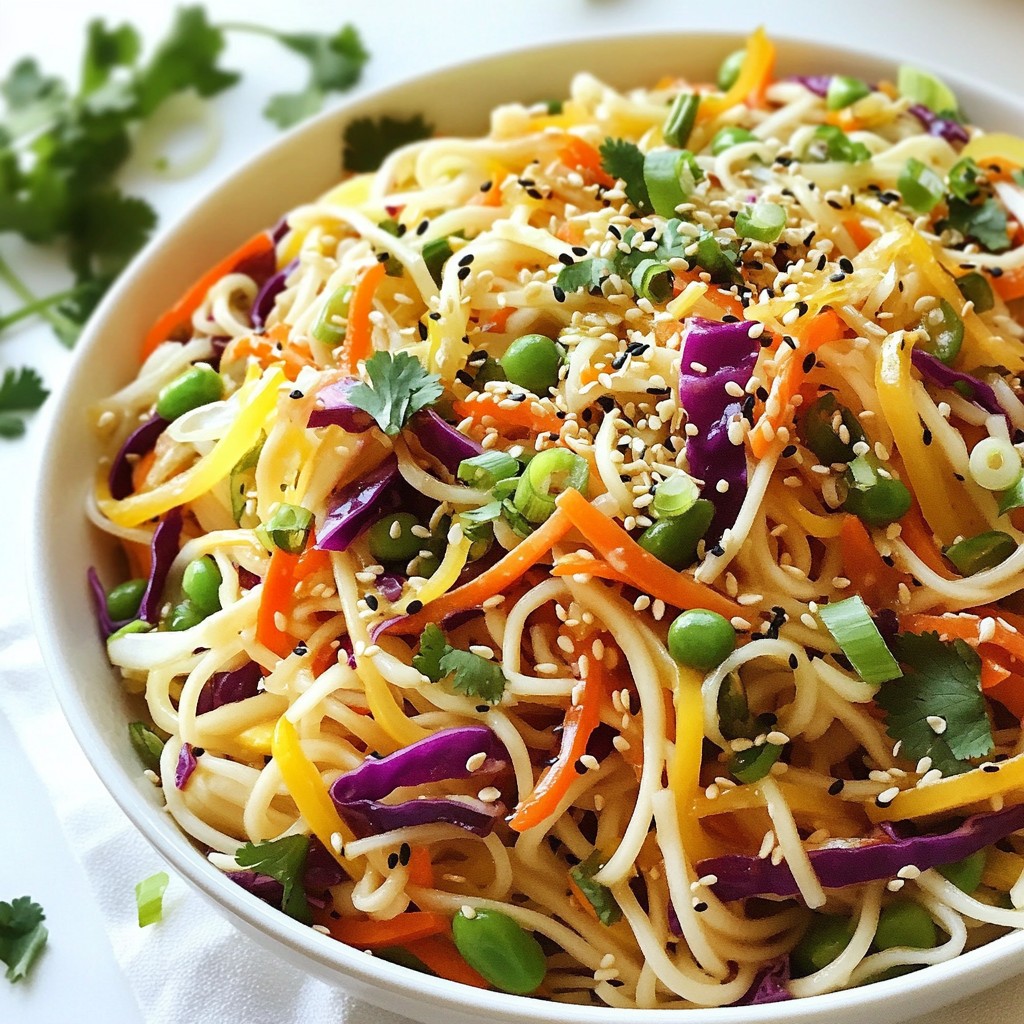
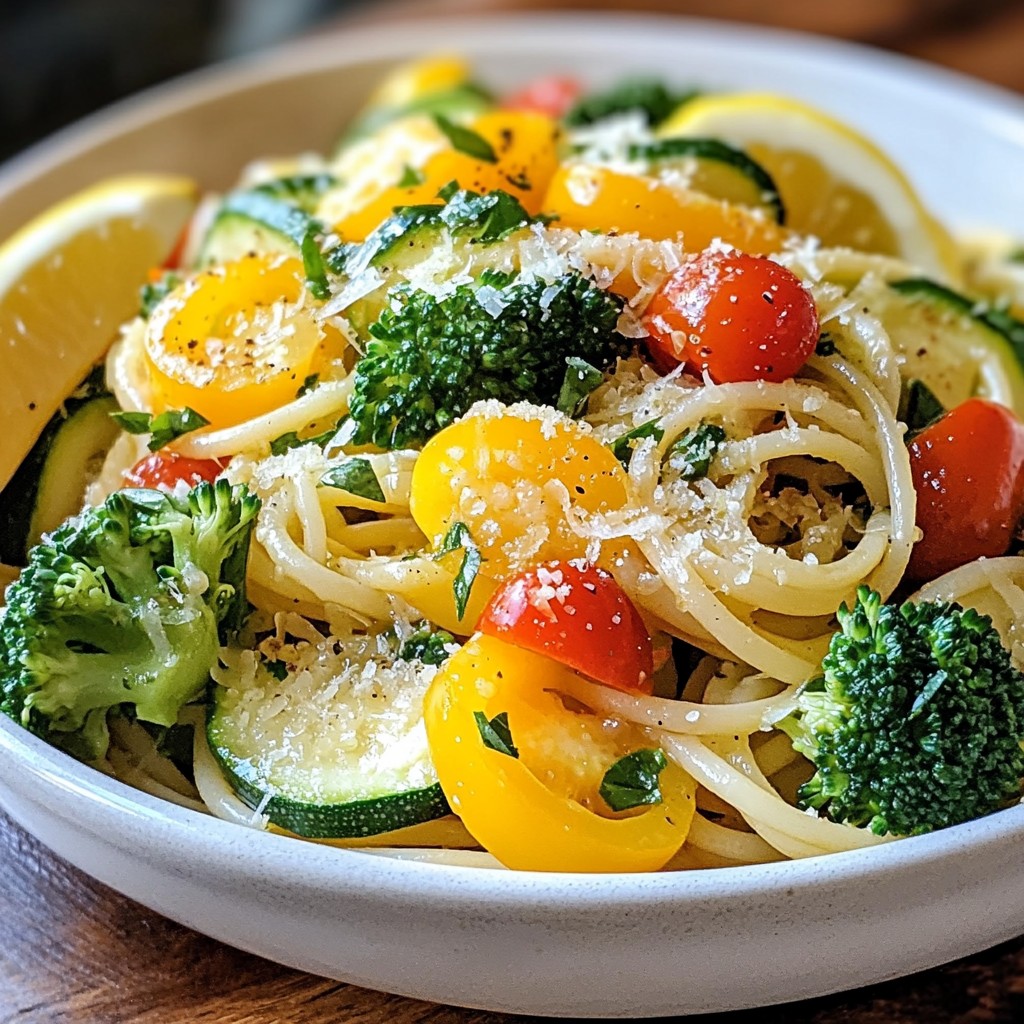
Looking for a fresh and tasty dish? Lemon Basil Pasta Primavera is your answer! This colorful veggie delight bursts with flavor and is easy to make. In this post, I’ll share key ingredients, simple steps, and helpful tips to create a dish everyone will love. Whether you’re cooking for yourself or hosting a crowd, you’ll master this recipe in no time. Let’s dive into the world of vibrant flavors!
Why I Love This Recipe
- Fresh and Vibrant: This pasta primavera is loaded with colorful vegetables that brighten up any plate, making it not just tasty but visually appealing.
- Quick and Easy: With a total time of just 25 minutes, this dish is perfect for busy weeknights when you crave something healthy and delicious.
- Lemon Zest: The addition of lemon zest and juice elevates the flavors, providing a refreshing citrus burst that complements the vegetables beautifully.
- Customizable: You can easily swap out vegetables or add your favorite protein, making this recipe versatile for any palate.
Ingredients
Essential Ingredients for Lemon Basil Pasta Primavera
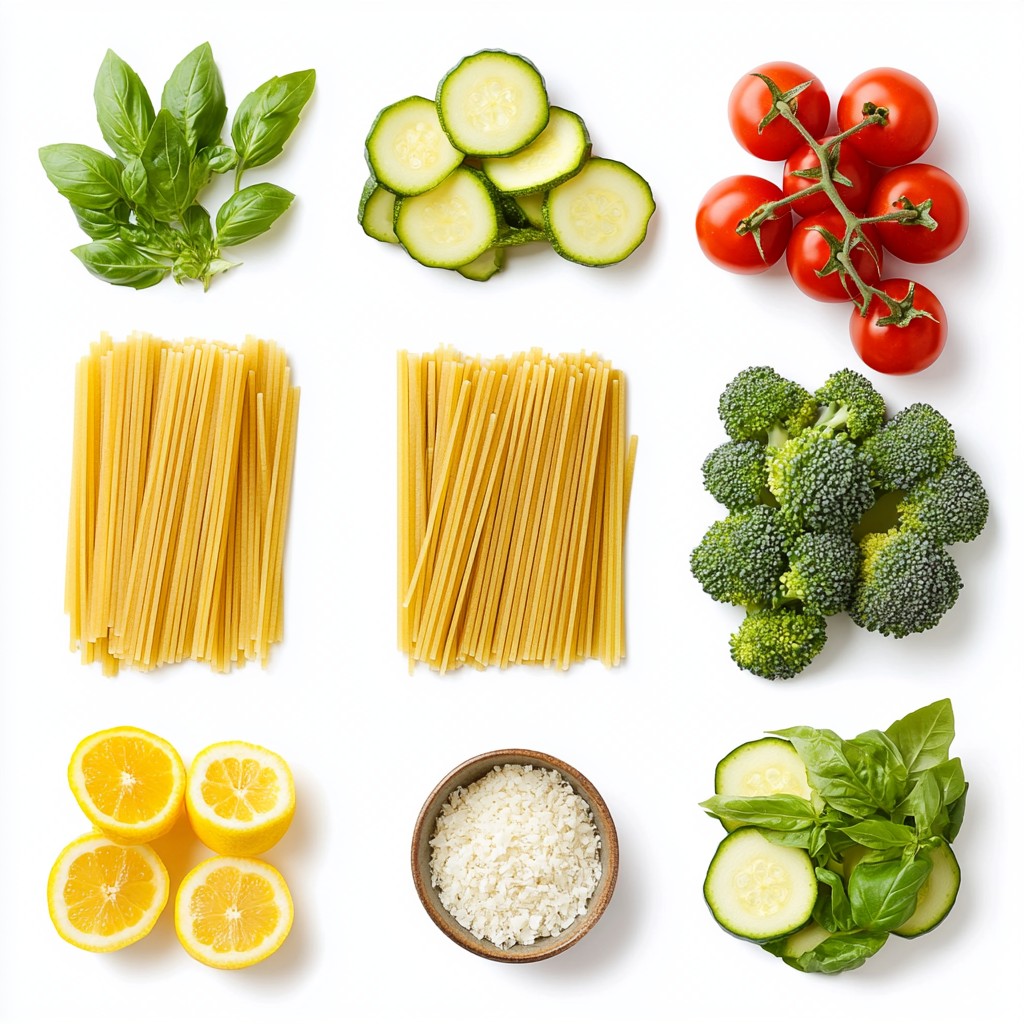
To make Lemon Basil Pasta Primavera, you need the following core ingredients:
- 8 oz. whole wheat spaghetti
- 1 medium zucchini, sliced into half-moons
- 1 bell pepper (your choice of color), diced
- 1 cup cherry tomatoes, halved
- 1 cup broccoli florets, cut into bite-sized pieces
- 2 cloves garlic, finely minced
- 1/4 cup fresh basil leaves, roughly chopped
- Zest and juice of 1 bright, juicy lemon
- 3 tablespoons extra-virgin olive oil
- Sea salt and freshly cracked black pepper to taste
- Grated Parmesan cheese for serving (optional)
These ingredients come together to create a bright and fresh dish. The whole wheat spaghetti gives it a hearty base. The veggies add color, crunch, and nutrition.
Fresh vs. Frozen Ingredients
Using fresh ingredients makes a big difference in flavor. Fresh veggies are crisp and vibrant. They also bring more nutrients. However, frozen veggies can work well too. They are convenient and often just as nutritious. If you use frozen, thaw them first for even cooking.
Optional Ingredients and Substitutions
You can customize this dish with optional ingredients. Try adding:
- Spinach or kale for more greens.
- Carrots for added sweetness.
- Different herbs like parsley or oregano for new flavors.
If you want to make it vegan, skip the cheese or use a dairy-free option. This flexibility helps you make the dish your own. Enjoy experimenting!
Step-by-Step Instructions
Cooking the Whole Wheat Spaghetti
Start by boiling a large pot of salted water. The water should be bubbling before you add the spaghetti. Add 8 oz. of whole wheat spaghetti. Cook it until it is al dente, which usually takes about 8-10 minutes. Before draining, save about 1/2 cup of the pasta water. This water adds flavor and helps the sauce stick. Then, drain the spaghetti and set it aside.
Sautéing the Vegetable Medley
In a large skillet, heat 3 tablespoons of extra-virgin olive oil over medium heat. Once hot, add 2 minced garlic cloves. Sauté them for about 1 minute. You want the garlic to smell nice but not brown. Next, add 1 medium zucchini, sliced into half-moons, 1 diced bell pepper, and 1 cup of broccoli florets. Stir them occasionally for 5-7 minutes. Cook until the veggies are tender but still a little crunchy.
Combining the Ingredients for Flavor
Now, it’s time to add more color! Toss in 1 cup of halved cherry tomatoes. Cook them for another 3-4 minutes until they soften. Next, add the drained spaghetti to the skillet. Pour in the reserved pasta water, along with the zest and juice of 1 lemon. Toss everything together well. Heat it for another 2-3 minutes. Finally, fold in 1/4 cup of chopped fresh basil and season with sea salt and cracked black pepper. Serve your dish hot, and enjoy!
Tips & Tricks
Best Cooking Techniques for Flavor Enhancement
To bring out the best flavors, use high heat when sautéing. Start with hot olive oil to enhance the garlic's aroma. Stir often to prevent burning. This keeps the veggies bright and crisp. Adding salt early helps draw out vegetable juices. Don't forget to add the lemon juice last for a fresh kick.
Adjusting Cooking Times for Different Vegetables
Each vegetable cooks at a different pace. Zucchini and bell peppers need about 5-7 minutes. Broccoli takes a bit longer, around 7-8 minutes. Keep an eye on color and texture. You want them tender but still crisp. Cherry tomatoes only need 3-4 minutes, just until they soften.
How to Store and Reheat Leftovers
To store leftovers, place them in an airtight container. They stay fresh in the fridge for up to 3 days. When reheating, use low heat to avoid mushy veggies. A splash of water can help steam the pasta back to life. If you want to freshen it up, add a squeeze of lemon juice before serving.
Pro Tips
- Fresh Ingredients Matter: Using fresh vegetables and herbs will elevate the flavors of your pasta primavera. Opt for seasonal produce for the best taste.
- Don't Overcook the Vegetables: Aim for a tender-crisp texture in your veggies. This not only maintains their vibrant color but also preserves their nutrients.
- Reserve Pasta Water: The starchy pasta water is a secret weapon for bringing your sauce together. It helps emulsify and thicken the sauce, giving it a silky finish.
- Experiment with Flavors: Feel free to add other vegetables like asparagus or carrots, or even proteins like grilled chicken or shrimp to customize your dish.
Variations
Adding Protein to the Dish
You can add protein to your Lemon Basil Pasta Primavera easily. Grilled chicken, shrimp, or tofu work well. Simply cook the protein in the same skillet after the garlic. This adds flavor and makes the meal heartier. For a quick fix, use canned chickpeas or white beans. They blend well and provide extra fiber.
Vegetarian and Vegan Adaptations
This dish is already vegetarian, but you can make it vegan by skipping the cheese. Use nutritional yeast instead for a cheesy taste. You can also add more vegetables to enhance the flavors. Think about adding spinach or kale for extra greens. Both add nutrients and flavor without a lot of effort.
Changing Up the Vegetables and Herbs
Feel free to swap the vegetables based on what you have. Asparagus, snap peas, or carrots are great options. You can also use different herbs like parsley or thyme. Each herb brings a new twist to the dish. The key is to keep the colors bright and the flavors fresh. This makes for a vibrant plate that’s as pretty as it is tasty.
Storage Info
Best Practices for Storing Leftover Pasta Primavera
Storing leftover pasta is easy. First, let it cool down to room temperature. Then, place it in an airtight container. This helps keep the flavors fresh. Make sure to store it in the fridge if you plan to eat it soon. For best taste, consume the leftovers within three days. Keep in mind that the pasta may absorb some of the sauce, so it might be drier when you reheat it.
How Long Can You Keep It in the Fridge?
You can keep Lemon Basil Pasta Primavera in the fridge for up to three days. After that, it may lose its flavor and texture. Always check for any signs of spoilage, like an off smell or discoloration, before eating it. If you plan to keep it longer, consider freezing it instead.
Freezing Options for Meal Prep
Freezing is a great option for meal prep. To freeze, first, cool the pasta completely. Then, portion it into freezer-safe bags or containers. Remove as much air as possible to prevent freezer burn. You can freeze it for up to three months. When you're ready to enjoy it, thaw it in the fridge overnight. Reheat it in a pan with a splash of water or olive oil to bring back moisture.
FAQs
What is Pasta Primavera?
Pasta Primavera is a colorful dish. It features pasta with fresh vegetables. The word "Primavera" means spring in Italian, which fits well. This dish celebrates fresh, seasonal veggies. You can find zucchini, bell peppers, and tomatoes mixed in. It’s light, healthy, and full of flavor. The addition of lemon and basil brightens the dish even more. This recipe is perfect for any meal, especially in warmer months.
Can I use different types of pasta?
Yes, you can use different types of pasta! While whole wheat spaghetti is great, you have many options. You could try penne, fusilli, or even gluten-free pasta. Just remember to adjust cooking times as needed. Each pasta brings its own texture and flavor. Experimenting can make your dish unique and fun!
How can I make Lemon Basil Pasta Primavera gluten-free?
To make Lemon Basil Pasta Primavera gluten-free, choose gluten-free pasta. Many brands offer options made from rice, corn, or chickpeas. Follow the cooking instructions on the package. The rest of the recipe stays the same. You still get the tasty veggies and zesty flavors. Enjoy a delicious meal without gluten!
Lemon Basil Pasta Primavera is easy and delicious. We explored essential ingredients, both fresh and frozen. You can substitute or add proteins to fit your taste. I shared step-by-step cooking tips for perfect flavor. Plus, I provided storage info to keep leftovers fresh.
This dish is great for everyone, and you can customize it. Whether you’re cooking for family or friends, this recipe shines. Enjoy making it, and let your creativity flow!